
Every July, millions of people around the world make one shared decision: to refuse single-use plastic for an entire month. That’s the idea behind Plastic Free July — and what began as a small community challenge has grown into one of the most influential environmental movements on the planet.
At SmartSolve, Plastic Free Month isn’t just a movement we recognize — it’s a reflection of the work we do every day. Our vision is simple: to make packaging no longer trash. And this movement is a reminder that the rest of the world is catching up.
Where Plastic Free Month Started
The plastic-free movement traces its roots to 2011 in Australia. Rebecca Prince-Ruiz, a local government sustainability officer, asked her colleagues if they’d be willing to give up single-use plastic for a month. A small group said yes. By the end of the year, just 40 people had taken the challenge.
What followed was something no one predicted. The challenge spread through communities, workplaces, and social media until it became a fully registered nonprofit and a global movement. Today, over 190 countries participate and more than 170 million people take part each year — from individuals swapping their morning coffee cups to major brands rethinking their entire packaging strategy. The movement’s organizers estimate that participants collectively kept hundreds of millions of kilograms of plastic out of landfills and oceans in a single year.
The movement is built on a simple idea: that small, individual actions, when taken together, create global change. Plastic Free Month isn’t asking for perfection. It’s asking for awareness. And once you start noticing how much single-use plastic surrounds you in a single day, it’s hard to not think about it.
Why Going Plastic-Free Matters
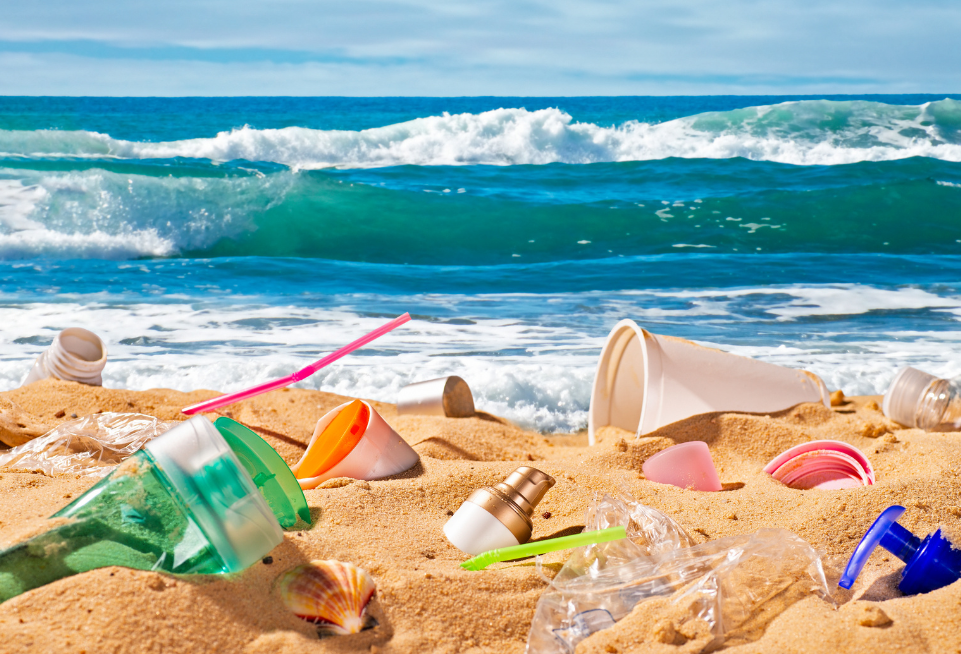
Plastic pollution isn’t a future problem. It’s happening right now, in landfills, rivers, oceans, and the bodies of wildlife and humans alike.
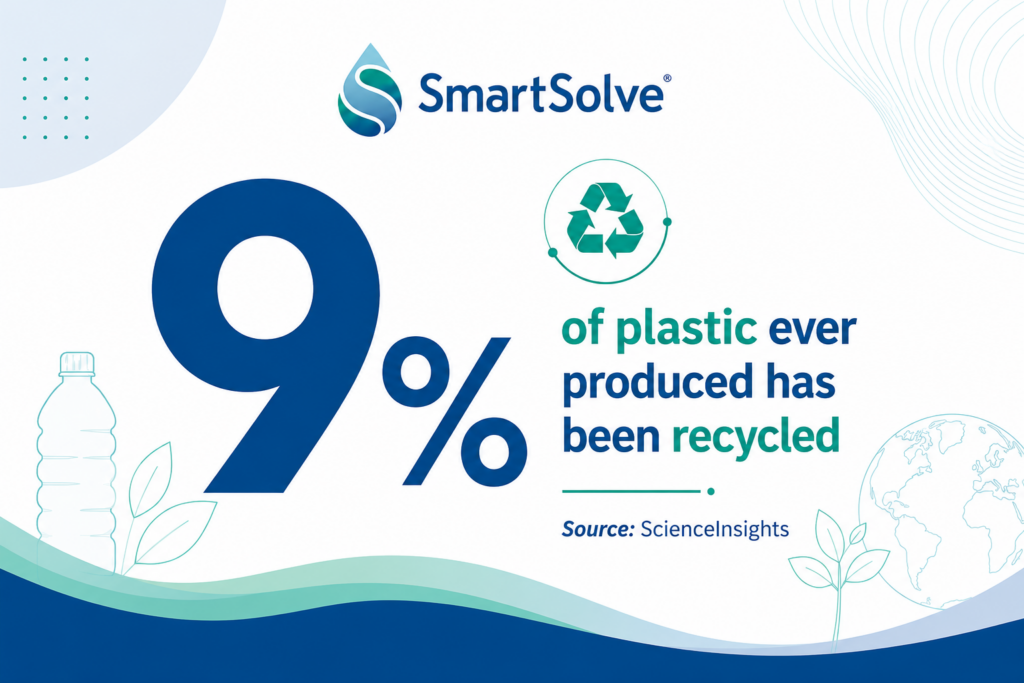
Over 460 million metric tons of plastic are produced globally every year, and packaging accounts for roughly 40% of all plastic waste. Despite widespread recycling programs, less than 9% of plastic ever produced has actually been recycled. The rest ends up in landfills or loose in the environment, where it can take hundreds of years to break down. What we throw away in four seconds can remain in the environment for 400 years.
That timeline matters because plastic does not simply disappear. It fragments into smaller pieces, travels through waterways, enters food systems, and creates long-term challenges for communities, ecosystems, and future generations. Every unnecessary piece of plastic adds to a problem that traditional waste systems were never designed to fully solve.
Plastic Free Month makes that truth visible. And for the brands and manufacturers paying attention, it’s a signal that consumers are ready for something better: packaging that performs, protects products, and reduces dependence on conventional plastic from the start.
How to Participate in Plastic Free Month
Participating in Plastic Free Month is free, easy, and open to everyone. The challenge encourages participants to start where they are, whether that means refusing plastic straws, switching to reusable cups, or rethinking how your company packages its products.
For brands, the conversation goes deeper than swapping a straw. It’s about reviewing your products, asking hard questions about your packaging materials, and committing to real alternatives. If you’re looking for a starting point, we covered seven high-performing plastic-free packaging options in last year’s Plastic Free July post for 7 alternatives to plastic packaging to consider.
At SmartSolve, we’re proud to partner with brands who are turning this month into momentum — adopting our plastic-free pouch stock and making a genuine, measurable shift away from single-use plastic packaging. Our materials are 100% bio-based, fully dispersible in water, and leave nothing behind (especially plastic).
Because packaging should never outlive the product it carries.

Digital Content Coordinator