
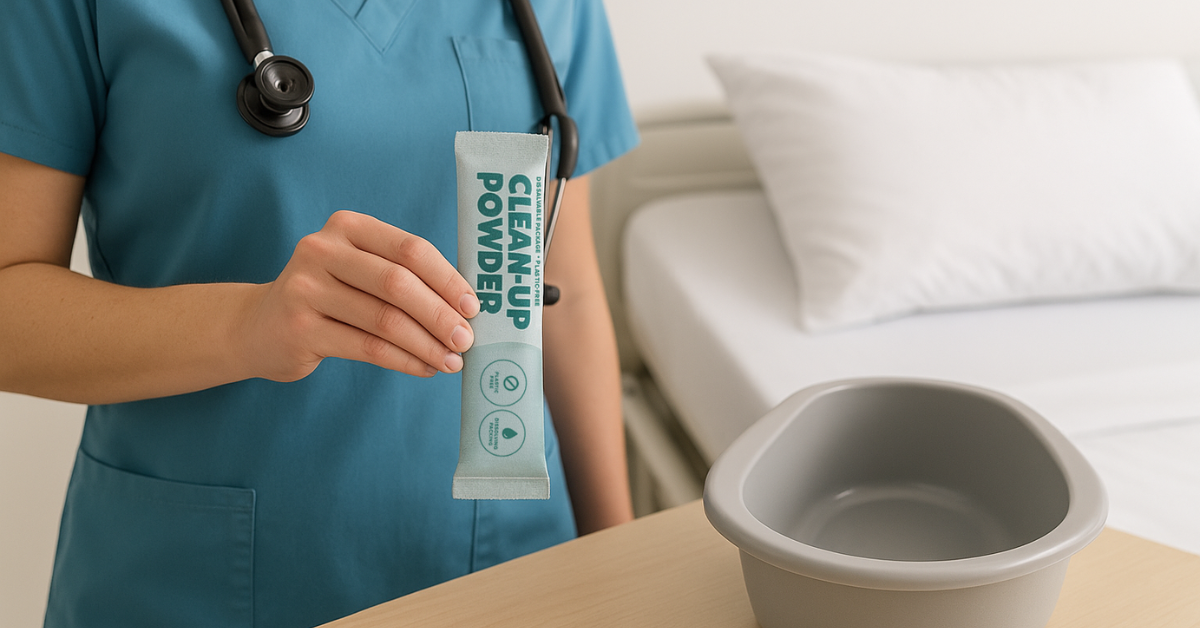
Medical product teams everywhere are feeling the pressure. Packaging waste keeps growing, the U.S. healthcare sector alone generates 1.7 million tons of plastic pollution every year, regulations are tightening, and hospitals are being asked to do more with less while always keeping the protection of patients and staff the top priority. Meanwhile, sustainability has shifted from an aspiration to an expectation.
That’s a tough balance, and it’s why many hospitals and device manufacturers are exploring new sustainable medical packaging materials that can stand up to real-world demands without adding to the waste problem.
In 2026, medical packaging innovation is accelerating. New materials and smarter designs are opening doors that weren’t possible a decade ago.
Below, we explore the biggest challenges, the top questions healthcare teams are asking, and the five breakthrough sustainable medical packaging options making meaningful change.
The Challenge with Today’s Healthcare Packaging
Packaging and product leaders for medical products have a tall order to fill: packaging must be safe, sterile, cost-effective, and increasingly sustainable. Let’s take a closer look at the challenges teams face:
Medical packaging waste is growing
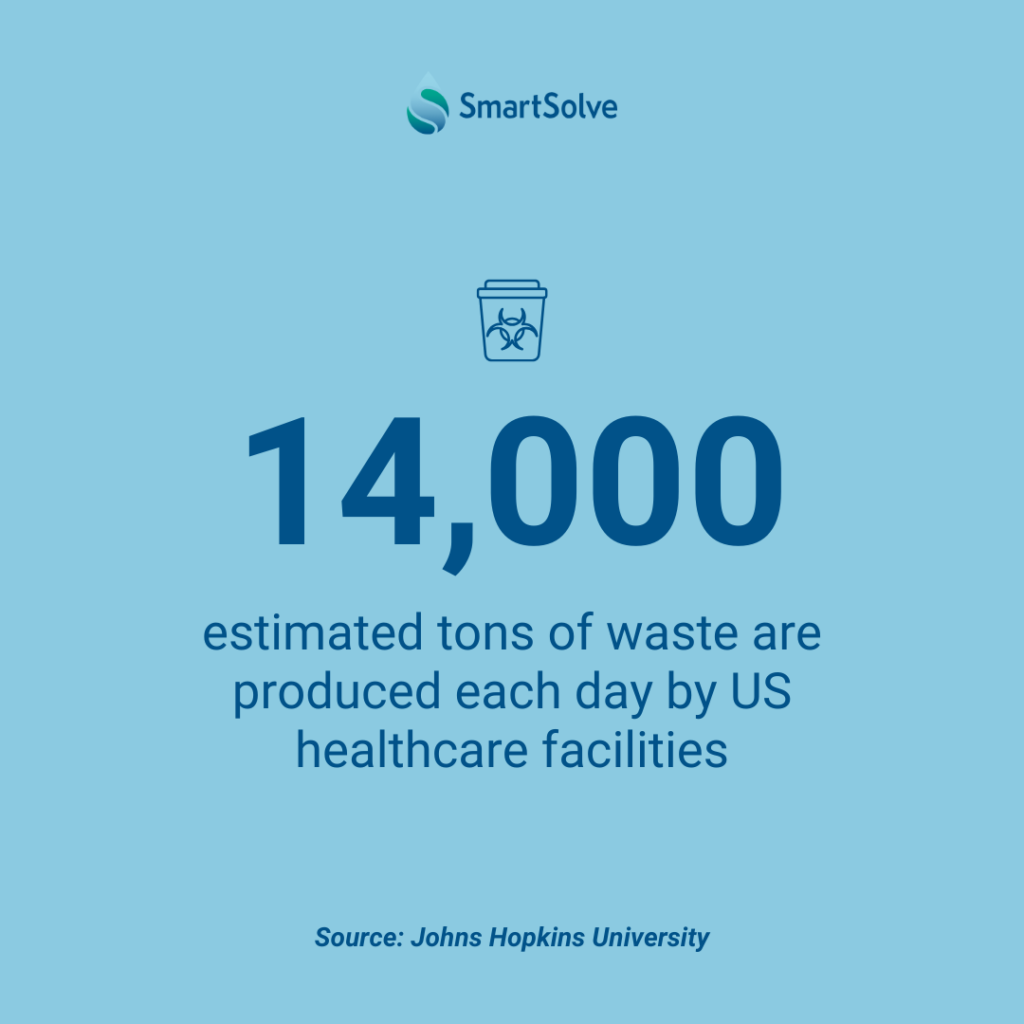
The healthcare sector generates millions of tons of waste every year, much of it from single-use plastics. An estimated 20-25% of the 14,000 tons of waste generated every day by hospitals is plastic. Sterility and infection control limit how much of this packaging can be reused or recycled, so hospitals are left with a significant—and costly—waste burden.
Regulatory and safety expectations are growing more complex
Rules around sterility, traceability, and patient safety keep getting more complex. Packaging has to perform under pressure: resist punctures, maintain barriers, protect sensitive materials, and run smoothly on automated equipment.
Sustainability is becoming a non-negotiable
Many health systems have now set public sustainability targets. Supply chain teams are being asked to reduce waste, switch to recyclable or compostable packaging, and rethink long-standing materials. Sustainability has increasingly become a measurable requirement. Growing sustainability certifications aim to position hospitals and medical facilities as innovative and responsible caretakers, giving them a leg up against non-certified facilities.
5 Sustainable Medical Packaging Solutions to Consider
So, what are some medical packaging materials should product and packaging leaders explore to improve their sustainability without compromising quality? Let’s explore a few leading options:
1. PureNil™ 0: Best for coagulant powder packaging
PureNil™ 0 is a water-soluble pouch stock designed specifically to hold moisture-sensitive coagulant powders. Staff can drop the sealed pouch directly into liquid medical waste, simplifying workflows and reducing contact risks.
- Holds coagulant powder securely
- Dissolves quickly during disposal
- Runs on existing form-fill-seal equipment
Plus, SmartSolve’s water-soluble packaging material has been proven in real-world medical applications: Safetec, a leader in infection control, first aid, and compliance solutions for healthcare turned to SmartSolve when they needed a way to streamline and simplify the disposal process for potentially hazardous medical waste.
They partnered with SmartSolve to create a solution to their problem: a self-dissolving, zero-waste pouch stock that eliminated manual handling and exposure risks.
It’s safe, easy to use, and fast. It also has the potential to cut costs for the healthcare system.
– Ken Bianchi, Executive Vice President at Safetec
2. Billerud Medical Device Packaging Materials: Best for sterile barrier paper alternatives
Billerud creates strong, fiber-based materials engineered for sterile barrier systems. These options help replace plastic-heavy structures without sacrificing performance.
- High puncture resistance
- Clean fiber tear
- Lower environmental footprint
- Ideal for medical devices requiring durable sterile barriers
3. Amcor SureForm Pro Recycle-Ready Films: Best for recyclable thermoforming applications
Amcor’s thermoforming films offer the clarity and strength needed for medical trays. They are now available in recycle-ready structures designed for circularity.
- Recycle-ready mono-material design
- Meets strict healthcare barrier needs
- Suitable for rigid and semi-rigid formats
- Strong option for teams shifting to recyclable packaging at scale
4. Mondi SustaineX: Best for high-barrier paper and film replacements
Mondi’s SustaineX line includes paper-based and hybrid options built to cut plastic use while maintaining barrier performance.
- Moisture and oxygen protection
- Recyclable configurations
- Designed for medical and pharmaceutical products
- Great for high-barrier needs without traditional plastics
5. Cruz Cool: Best for thermal protection and insulated shipping
Cruz Cool is a compostable foam alternative made from bio-based materials. It’s built to replace EPS foam for temperature-sensitive shipments.
- Reliable thermal insulation
- Compostable and lightweight
- Strong protective performance
- Perfect for cold-chain medical shipments
FAQs About Sustainable Medical Packaging
What does sustainable medical packaging mean?
Sustainable medical packaging refers to materials and packaging formats designed to reduce environmental impact without compromising safety. That might mean recyclability, compostability, bio-based materials, or simply using less material overall.
Which alternatives to traditional plastics are most realistic for sustainable medical packaging?
Water-soluble films, high-barrier paper, bio-based plastics, and recycled content are some of the most promising options already in use today. The challenge is identifying which materials can meet sterility, barrier, and handling requirements for each specific application.
How are hospitals reducing waste without risking compliance?
Most are starting small: switching packaging types in low-risk areas, piloting recyclable films, or testing dissolvable formats for containment and waste disposal. These controlled steps help maintain sterility and safety while moving toward greener standards.
Why now?
Waste costs are rising, environmental reporting requirements are increasing, and both staff and patients expect healthcare organizations to lead on sustainability. The technology is finally ready to support those expectations.
Get Ahead of The Competition in 2026 With Sustainable Medical Packaging
Sustainable medical packaging is here to stay – and solution providers that get ahead today will reap the benefits tomorrow. From water-soluble pouches to recyclable thermoforming films, the industry is full of practical solutions that protect patients while reducing waste.
As hospitals and manufacturers rethink how products are packaged, these breakthroughs offer a clear path forward: safer care, simpler workflows, and a lighter environmental footprint.
SmartSolve is a proven partner in sustainable medical packaging solutions that don’t compromise on quality or convenience. Interested in learning more? Contact us today for a personalized quote.