
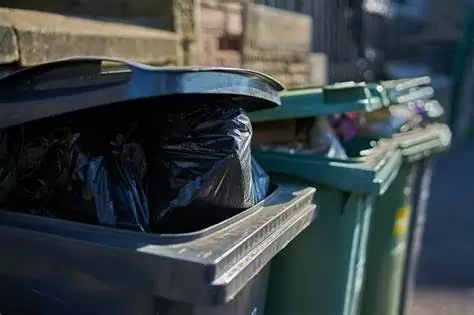
What is Landfill Waste?
As we discard our everyday garbage into trash bins, we rarely give a second thought as to where it ends up over time. Primarily, this will be in a landfill, which are well-engineered and managed facilities for the disposal of solid waste (US EPA). These facilities are designed to maintain the long-term existence of waste materials. Although landfills have been a convenient method for the disposing of waste for many years, it has started to create detrimental problems within our environment and within society. Most of the discarded products and materials that are found in landfills are not designed to naturally break down over time. As a result, much of the waste that resides in these areas continues to remain, leading to harmful effects for the planet. In this post, we will explore an overview about landfill waste, as well as its concerns and a new potential solution that SmartSolve offers.
Landfill Waste Concerns
One of the biggest issues surrounding landfills is the inability for solid waste to break down and fully decompose naturally over time. This can include materials such as wood, paper, plastic, broken furniture, glass, grounded cars, obsolete electronic products, and hospital and market waste, according to the author Rinkesh from Conserve Energy Future. This can be thought of as a sort of time capsule, where the landfill stands as a temporary solution to the ongoing process of waste disposal. However, this kind of disposal method is not truly a sustainable option for the future of the planet.
As a result of these materials not being able to fully biodegrade and decompose, they can leave behind traces of microplastics and even chemicals that can leach into the soil, causing hazardous conditions for groundwater and possibly polluting the surrounding environment. These toxins can eventually spread to plants, animals, as well as to nearby waterways.
Another issue surrounding landfill waste is greenhouse gas emissions, caused by the process of compiled trash unable to receive any oxygen. This is known as an anaerobic environment, which prohibits any oxygen from reaching the waste materials that are buried underneath the most recent levels of trash that have been accumulated in a landfill.
When municipal solid waste (MSW) is first deposited in a landfill, it undergoes an aerobic (with oxygen) decomposition stage when little methane is generated. Then, typically within less than 1 year, anaerobic conditions are established and methane-producing bacteria begins to decompose the waste and generate methane (US EPA). These two phases, aerobic and anaerobic, contribute to these greenhouse gases forming the longer that waste is contained in the same environment.
Further, municipal solid waste (MSW) landfills are the third-largest source of human-related methane emissions in the United States, accounting for approximately 14.3 percent of these emissions in 2021 (US EPA). These continued emissions will lead to further contamination of our air quality over time.
SmartSolve’s Innovative Water-Soluble Materials
All of SmartSolve’s materials are biodegradable, per the international testing standard of OECD 301B. Our label stock technology passes the lower level of this testing and is known as ultimately biodegradable, having reached 60% biodegradation within a 28-day period.
Both our face stock and heat seal materials reach a higher level of testing, having passed the 60% biodegradation threshold before day 10 in an aqueous environment. This is known as readily biodegradable.
Our heat seal technology has also passed the testing standard of ISO 14851, which confirms that our material is 100% biodegradable in less than 30 days.
Although these testing standards are not necessarily intended for assessing landfill performance, we would assert that such a rapid breakdown of our material demonstrates that if it were to be disposed of in a landfill setting, it is expected to fully biodegrade during the aerobic phase when oxygen is still present, which is less than a year. Our theory is that our material is highly unlikely to contribute to the production of methane during the anaerobic phase, where no oxygen is present, within a landfill environment. This is due to the fact that it will naturally biodegrade within the first 30 days of being placed in this setting.
Regardless of the way that SmartSolve’s materials are disposed of, whether being washed down the drain, composted, thrown away, or recycled, every single one of these methods involves zero waste for the customer. SmartSolve can provide the assurance that our materials do not contribute to any additional waste impacts being generated within the environment.
To learn more about SmartSolve’s product offerings and how you can use them for your specific application, request a sample or contact our team today.

Content Specialist