
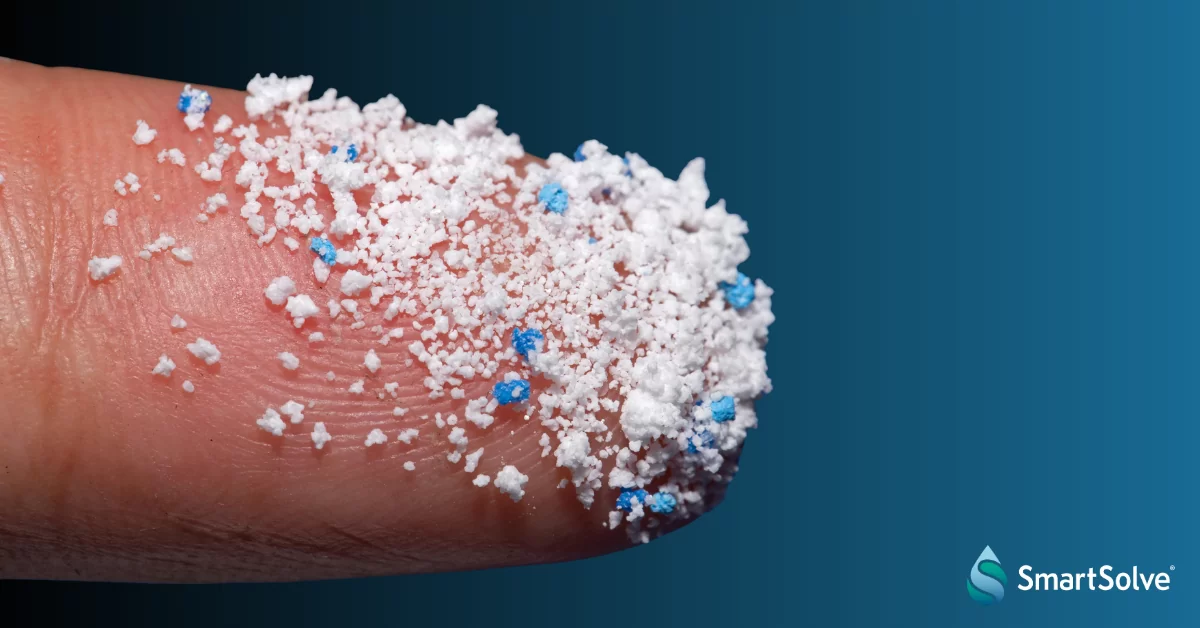
It may sound like a sensationalist buzzword since the “Make America Healthy Again” movement popularized the term, but microplastics pose a real and persistent threat to human health, the environment, and the ecosystems that thrive in it.
Plastic packaging has shaped global consumption for decades, but science is uncovering the unintended consequences of this material. Microplastics – tiny particles that shed from packaging and other plastic sources – are now showing up in our water, food, and even our bodies.
For brands, ignoring this reality isn’t just risky for public health and the environment; it also threatens consumer trust and long-term business resilience. In a study last year from CleanHub, 84% of survey respondents were concerned about microplastics, and wanted more action from the government and brands towards recycling and reducing plastic pollution.
The time to rethink packaging is now.
What Are Microplastics & Why Do They Matter?
Microplastics are plastic particles smaller than 5 millimeters. They come from the breakdown of larger plastics, as well as direct shedding from packaging materials. Once released, these particles infiltrate food, water, soil, and even air, making them nearly impossible to avoid.
A 2024 NPJ Science of Food study found that just one liter of bottled water contained an average of 240,000 plastic particles, 90% of which were nanoplastics.
The growing body of evidence suggests microplastics pose long-term risks to ecosystems, animals, and human health:
A recent review found that at least 267 species worldwide are affected by microplastics, including 44% of birds, 43% of mammals, and 86% of turtles. These particles move through the food chain, ultimately reaching humans.
Microplastics: The Impact on Human Health & Why Brands Should Pay Attention
Because of their prevalence in the supply chain and consequently, the water and food systems, microplastics are now being shown to accumulate in the body and may contribute to inflammation (Journal of Translational Medicine), toxicity and yet-unknown longterm effects.
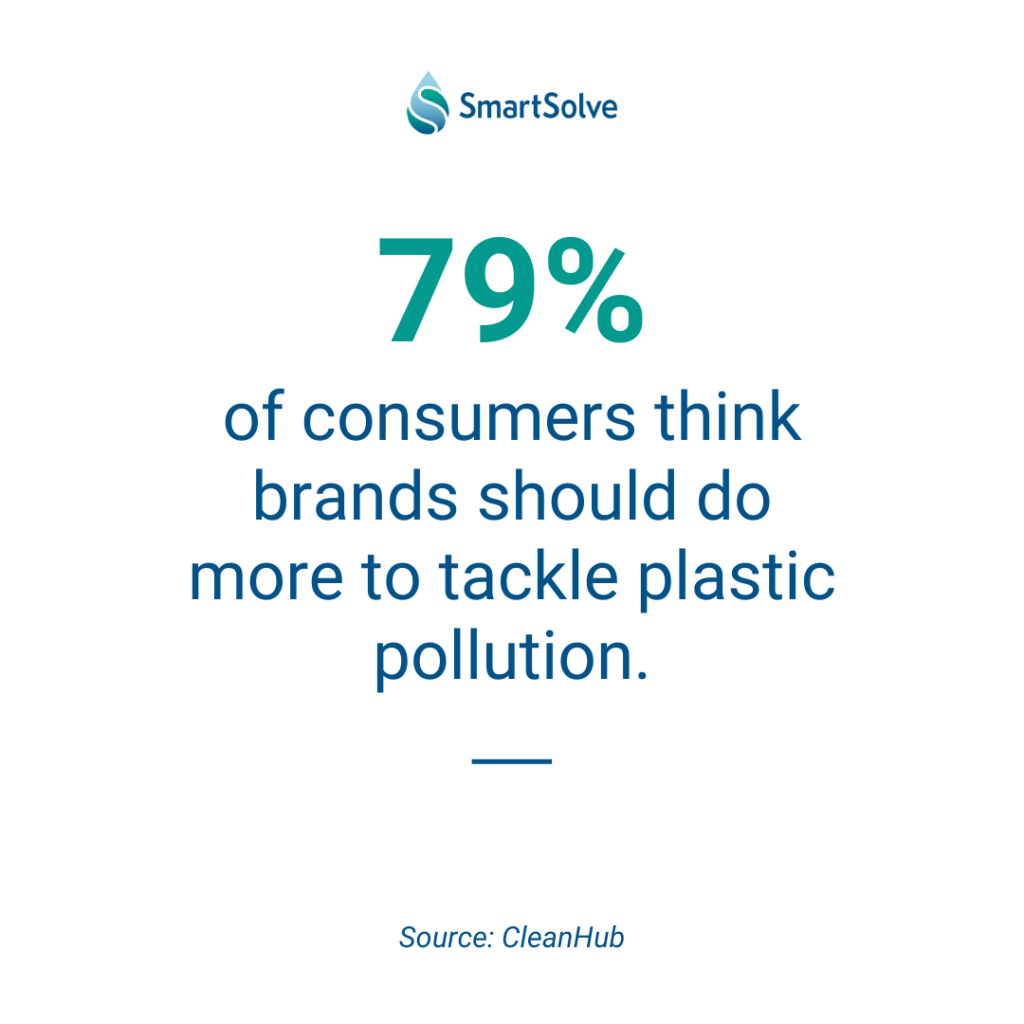
While the environment is an existential concern when it comes to microplastics risks, they are also a very real brand reputation and regulatory risk. Of the same CleanHub survey mentioned, a staggering 79% of consumers think brands should do more to tackle plastic pollution. This growing awareness means brands can’t afford to lag behind on solutions.
With EPR laws accelerating globally, the packaging industry faces mounting requirements to eliminate harmful materials. Failure to act could result in fines, restricted market access, and consumer backlash.
On the flip side, companies that lead in eliminating microplastics from packaging can gain trust and competitive advantage.
Why Recycling Alone Isn’t Enough
Recycling alone can’t solve the microplastics crisis. In the U.S., only 39% of packaging is currently recycled each year (Packaging Dive), and nearly 40% of households lack access to recycling services equal in quality to trash disposal.
This shows that consumer responsibility alone is not enough; brands must redesign packaging to prevent microplastics at the source.
To curb the microplastics problem in packaging, brands can explore more sustainable solutions like:
- Cut unnecessary layers, lightweight their designs, and switch to materials that leave no trace in the environment
- Explore reusable packaging options help brands reduce single-use plastic dependence and minimize fragmentation into microplastics over time
- Consider plastic-free, water-dispersible packaging solutions like SmartSolve that dissolve safely without leaving behind harmful particles
The rise of microplastics shows a clear and concerning trend in impacts on human health, ecosystems, and brand trust. For packaging and sustainability leaders, this is the moment to act. By embracing plastic-free, water-soluble alternatives, brands can help eliminate microplastics from the equation entirely.
Want to Learn More?
Register for our webinar with Packaging Digest and discover how SmartSolve is tackling the microplastics challenge and redefining flexible packaging for brands, people, and the planet.