
The packaging world is changing, and sustainability is the name of the game.
In the quickly shifting landscape of sustainable packaging, water-soluble materials are taking center stage. Whether it’s a label that vanishes under water or a pouch that disappears after use, this type of packaging innovation can feel like something out of science fiction.
But as more brands look to integrate dissolvable or dispersible materials into their products, one question keeps coming up: is there actually a difference between “disperse” and “dissolve”? If so, what are the distinctions?
If you’re a sustainability or innovation leader evaluating packaging options, understanding this distinction isn’t essential to transitioning to sustainable packaging materials. The difference directly impacts recyclability, end-of-life performance, and consumer experience.
In this blog, we’ll break down these terms and explain why the science behind water soluble paper matters more than ever.
What is Dissolvable Paper?
Dissolvable paper refers to materials that break down completely at a molecular level when exposed to water. Once dissolved, the material integrates with the water solution, leaving no visible trace or residue behind. This characteristic makes it popular in novelty items, pharmaceuticals, and certain types of food packaging.
Dissolvable Paper Applications & Limitations
While fully dissolvable paper sounds ideal, it comes with tradeoffs. These materials often lack the structural strength needed for commercial packaging, particularly where printability, storage, and product protection are essential. They also tend to perform poorly in humid environments and can begin dissolving prematurely. Due to these limitations, they are typically better suited for niche applications—not widespread packaging use.
What is Dispersible Paper?
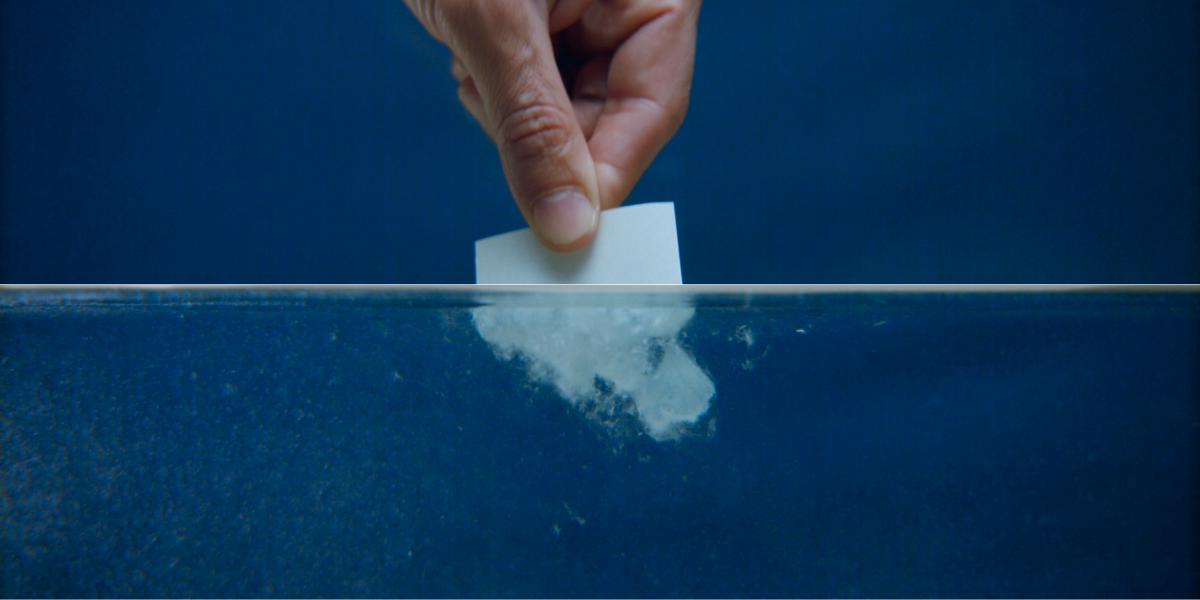
Dispersible paper, by contrast, doesn’t fully dissolve at the molecular level. Instead, it breaks apart into tiny suspended fibers (often wood pulp or cellulose) when immersed in water. These fibers are small enough to flow through filters or drains, but they remain intact enough to be captured or treated later.
Benefits of Dispersible Paper for Packaging & Recycling
Because dispersible paper maintains its integrity during packaging and shipping but disperses cleanly in water, it’s ideally suited for sustainable packaging solutions. Unlike dissolvable film, it can be printed, folded, sealed, and even heat-applied using traditional equipment.
SmartSolve’s dispersible materials, for example, are designed to cleanly separate from PET flakes in recycling processes—a feature that helped them become the first-ever paper-based water soluble label to receive APR Design® Recognition.
That’s a big deal for brands looking to maintain recyclability claims without sacrificing form or function.
Why Water Dispersion is the Go-To Option for Smarter Packaging
For most CPG brands, especially in high-volume categories like household cleaning or personal care, packaging needs to balance performance and sustainability. Eco-friendly, water-soluble products that use dispersible paper technology help you do just that.
Here’s how:
- It withstands printing, converting, and product filling processes without disintegrating.
- Once submerged, it disperses cleanly in water, leaving no sticky label residue behind.
- It doesn’t require harsh chemicals or high temperatures to disperse, making it safer for plumbing and wastewater systems.
- It enables new consumer experiences, like dissolving labels that signal freshness or engage users in product disposal.
Dissolvable Paper vs. Water Dispersion Paper: Does the Difference Matter?
Let’s face it: “greenwashing” is real. Labels that claim to be “recyclable” or “compostable” often lack the performance data to back it up. But by understanding the behavior of dispersible vs. dissolvable paper, sustainability leaders can:
- Make more informed decisions about packaging substrates
- Align claims with real-world recycling and composting infrastructure
- Design packaging that complies with upcoming Extended Producer Responsibility (EPR) laws
- Support corporate sustainability goals without compromising on performance or aesthetics
And because dispersible paper materials are already widely accepted by recyclers, they also de-risk product development for brands pursuing circular packaging strategies.
Dispersible vs. Dissolvable Paper FAQs
Can a paper be both dissolvable and dispersible?
Not exactly. Dissolvable materials break down at a molecular level, while dispersible ones separate into visible fibers. The two behaviors serve different use cases, though both can be water soluble.
Is water soluble paper safe for plumbing?
Yes, particularly when it comes to dispersible paper. SmartSolve’s materials are used in applications ranging from garden packaging and home cleaning to medical waste disposal and feminine care. They’re engineered to break down rapidly without clogging drains or leaving behind chemical residue.
What industries can benefit from dispersible packaging?
Virtually any category that values sustainability and hygiene can benefit from incorporating water-soluble paper packaging into their sustainability program:
What’s Ahead: Choosing the Right Dispersible Packaging
In the world of packaging, details matter. Whether a material disperses or dissolves may seem minor, but the difference has big implications for recyclability, product performance, and consumer perception.
As you evaluate your packaging roadmap for 2026 and beyond, remember: water-dispersible paper provides a practical, proven, and sustainable path forward. And with partners like SmartSolve, innovation doesn’t have to come at the cost of functionality.
Want to learn more about how SmartSolve’s dispersible paper can support your brand’s sustainability goals? Contact us here or explore our solutions today.